
Changing times and the joy of friendship
By Embrace coordinator, Lauren.
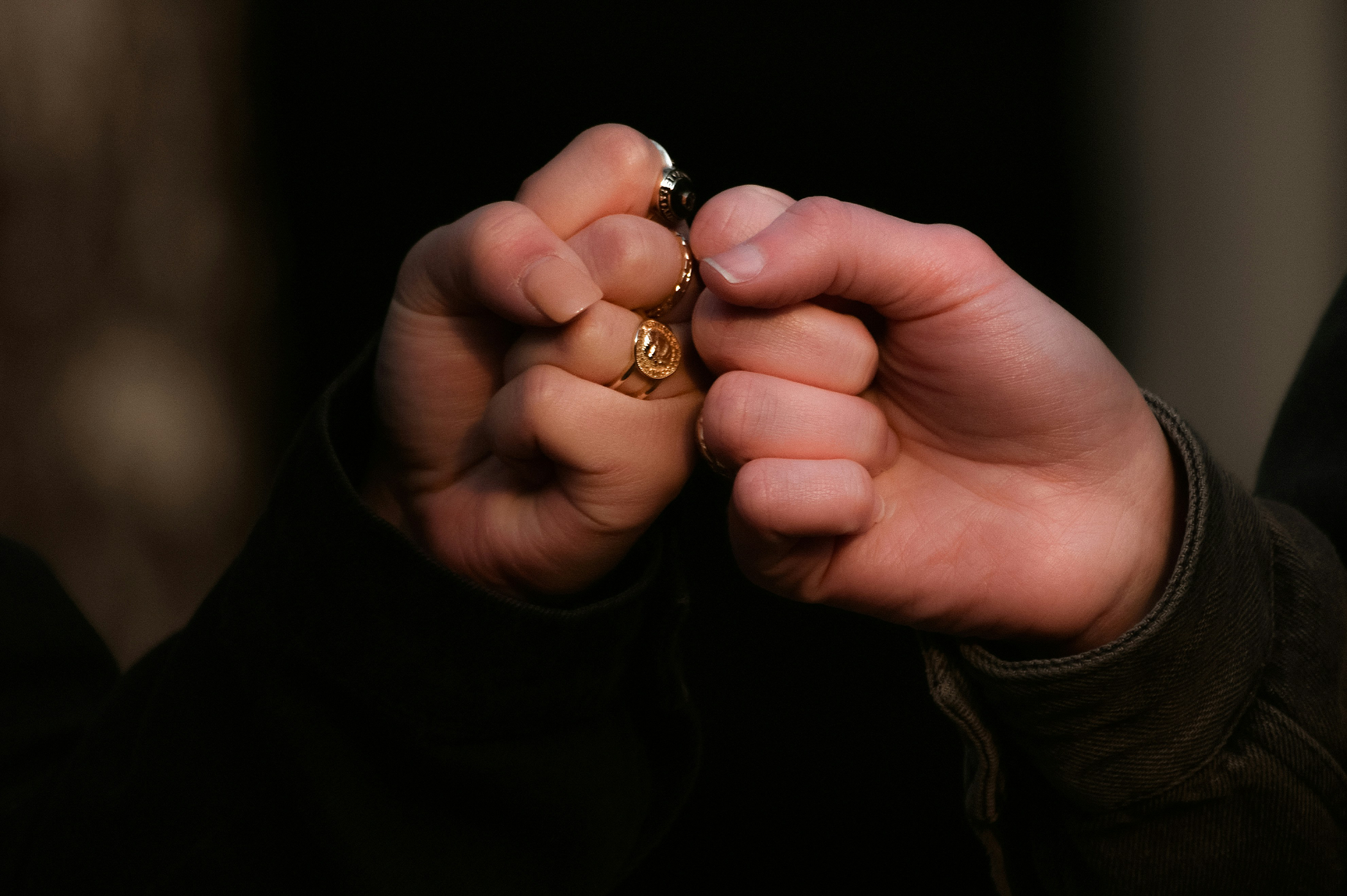
Over the last nine years that the Embrace project, a befriending project run by Red Community, has been running, we’ve seen the changing landscape of people’s interest and involvement in anti-modern slavery work.
I remember when Embrace started, there was an influx in people getting in touch to find out how they could volunteer after hearing about the existence of modern slavery in our society. People hadn’t seemed to know that slavery is all around us in modern-day Britian.
We also had referrals for support rolling in from charities, eager to help their clients get connected to a friend in their local community.
In the last couple of years, particularly in the last year, things have changed, both for us as a project and for the anti-slavery network.
We are finding that people are tired. They are tired of hearing about war. They are tired of dealing with the cost of living. They are tired of politics. They are tired of bad, sad, depressing news.
And so therefore, we think people might also be too tired to consider the reality of modern slavery.
We get that.
And then things are also changing for our partners, those organisations that refer survivors into our service.
Years ago, the primary charity responsible for modern slavery survivors in Wales would support service users for over a year. They had time to help survivors access doctors, dentists, schools, housing, food shops, counselling, and legal support. And once those necessary supports were put in place, they could then refer into Embrace so that the service user would have a friend, so that they weren’t lonely.
But due to a changing asylum system (which has become more stringent and harsh due to government policies), people are now moving through “the system” much faster, with support dropping off only months after they have been identified as survivors of modern slavery.
As much as befriending is hugely beneficial for wellbeing, it isn’t as important as health and legal appointments, or housing and education, so it doesn’t take precedence when support workers are quickly trying to get things in place for a survivor.
This is all to say, we as a project are adapting constantly as systems and society changes. (Please pray for us).
And yet, we’ve recently been reminded of just how beautiful friendship is for modern slavery survivors, and for the people who enter into friendship with them.
I just introduced two women to a young woman who survived after being a victim of modern slavery. This woman is lonely and house-bound, but she is an absolute joy and inspiration to speak with.
I went home with tears in my eyes after meeting and spending time linking these women up – for two reasons.
First, the young woman, against all odds, is joyful. She’s resilient. She’s interested in the world and people around her. Despite all her suffering. What a beautiful example to follow.
Second, I left our meeting confident she now had friends who were going to shower her with love and kindness. She is going to know that people care for her and are committed to her. She is going to know the love Jesus has for her through the love of these two women.
Befriending people who have been through severe trauma isn’t straightforward most of the time, but these are the people, time and time again, that we saw Jesus befriending.
We may be tired, and our society may care less about modern slavery survivors than it did six years ago, but just know, it is a gift, a privilege, to love the vulnerable who Jesus loves.